Changing the color of a wall, replacing a light fixture, swapping out a tired sofa for a more contemporary piece: these simple actions alter the perception of an entire space. Interior design and decoration trends evolve quickly, but not all are created equal. Some rely on fleeting fashion effects, while others reflect a genuine change in the way we inhabit spaces. It’s better to understand the logic behind each trend before pulling out the credit card.
Structured Color Palettes: The 60-30-10 Rule Applied to Interiors
Have you ever noticed that a living room painted in a single shade appears flat, even with carefully chosen furniture? The problem rarely lies in the color choice. It stems from the lack of structure in the palette.
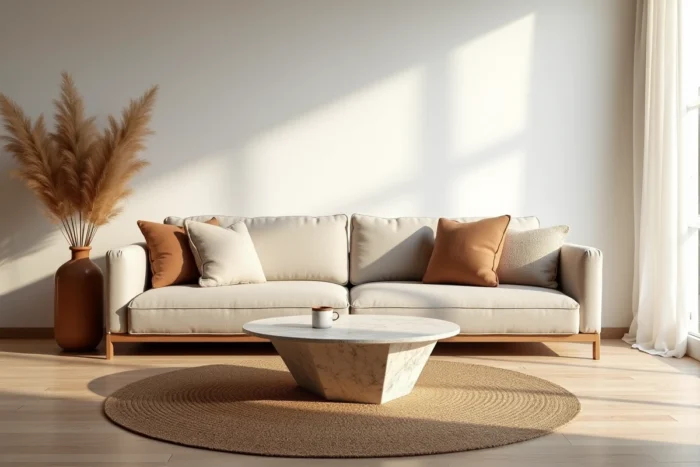
The 60-30-10 rule provides a simple framework. The dominant color occupies about 60% of the visible surfaces (walls, ceiling, large rug). A secondary color covers 30% (curtains, armchairs, headboard). The remaining 10% is reserved for a bold accent: cushions, vase, frame, light fixture.
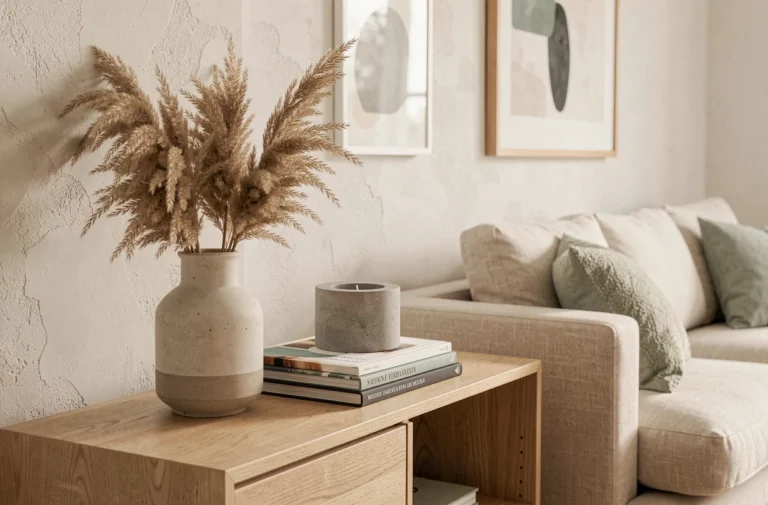
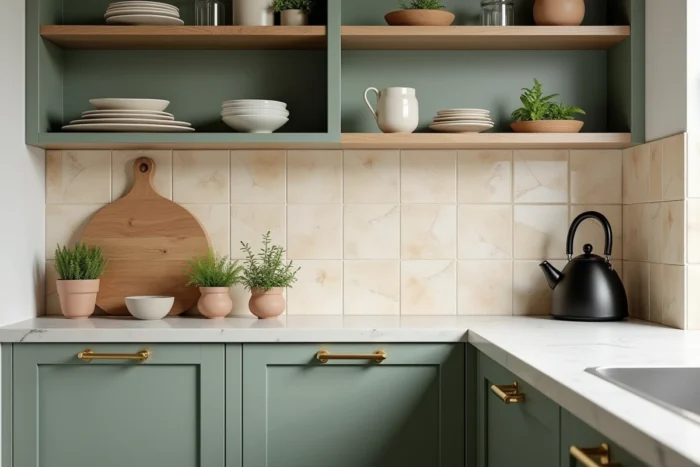
The palettes that work this year combine pearl white, sage green, and natural earth tones like sienna or butter yellow. WGSN and Coloro have also highlighted a deep teal called “Transformative Teal,” which serves as a powerful accent without overwhelming a light room. This light-color structured combination is already influencing paint, textile, and furniture collections.
Specifically, for a living room: pearl white walls (dominant), sage green sofa and curtains (secondary), two cushions and a vase in teal or sienna (accent). The result appears crafted without apparent effort. To explore other associations of this type, the home universe on C Nouveau gathers ideas that apply this principle in every room.
Afrohemian Style and Luxe Bohemian: Two Distinct Decorative Trends
Bohemian style remains popular, but it is branching out into well-defined directions. Confusing them leads to incoherent interiors.
The Afrohemian style blends bohemian codes with African influences. It features woven geometric patterns, textile craftsmanship, and warm colors like terracotta and burnt ochre. The idea is not to “ethnically decorate” but to integrate pieces made according to specific know-how: dyed cotton weavings, basketry, hand-shaped ceramics.
Luxe bohemian, on the other hand, starts from a different foundation. It focuses on deep velvet, burgundy and plum tones, brass or copper finishes, large patterned rugs, and solid wood furniture. The atmosphere is darker and more enveloping.
Choosing Between the Two Based on Your Space
Why does this choice matter? Because the materials and color temperatures contrast. The Afrohemian style works in bright rooms with high ceilings. It requires natural light for the warm tones to breathe.
Luxe bohemian, in contrast, takes advantage of more intimate spaces and subdued lighting. A north-facing living room with few windows gains character with plum velvet and brass, where terracotta would appear dull.
- Afrohemian: bright rooms, woven natural materials, terracotta-ochre-cream palette, textile craftsmanship
- Luxe bohemian: intimate spaces, velvet and solid wood, burgundy-plum-copper palette, warm metallic finishes
- Common point: both styles reject industrial furniture and plastic, favoring pieces made with identifiable craftsmanship
Sustainable Materials and Craftsmanship: What’s Changing in Furniture Choices
The trend toward natural materials (wood, stone, linen, terracotta) is not new. What is changing is how buyers verify the origin of what they purchase.
ESG criteria now influence mainstream furniture brands. Roche Bobois, for example, publishes a sustainability report detailing its commitments to wood traceability and manufacturing conditions. This transparency encourages other brands to follow suit.
For individuals, this translates into simple questions to ask before buying:
- Is the wood certified (FSC, PEFC) or is its origin indicated on the product sheet?
- Is the upholstery fabric dyed using low-impact processes, or is it simply labeled “natural” without specifics?
- Is the furniture repairable? Can a replacement part (leg, seat, cover) be ordered?
A linen sofa with a replaceable cover costs more upfront, but its actual lifespan is two to three times longer than that of a non-removable synthetic fabric model. Over ten years, the calculation reverses.
Local Craftsmanship and Unique Pieces in Decoration
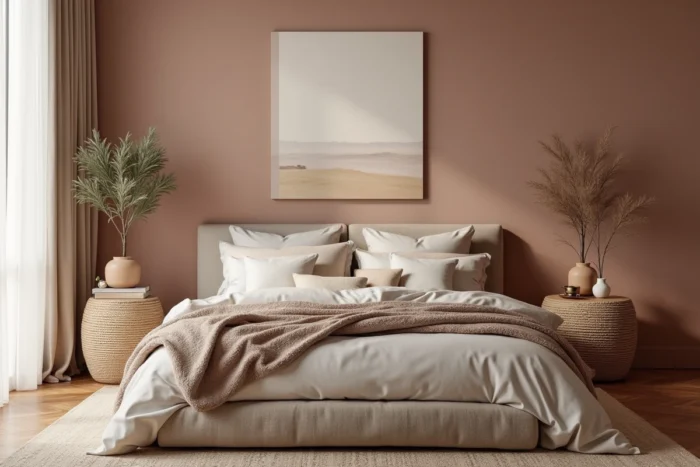
Handmade is making a strong comeback, not as an aesthetic trend but as a quality criterion. A rattan pendant light woven by an artisan has shape irregularities that give it character. It ages better than a mass-produced molded copy.
The common pitfall: buying “faux artisanal” items made industrially with intentionally imperfect finishes. Checking the name of the workshop or manufacturer on the label remains the most reliable way to distinguish between the two.
Light and Layout: Two Underestimated Levers for Transforming an Interior
Changing furniture or colors is not enough if the lighting remains a single ceiling fixture in the center of the room. Light structures the space just as much as furniture.
A living room benefits from combining three sources: soft general lighting (pendant or dimmable ceiling light), directional task lighting (reading lamp, adjustable wall sconce), and low ambient lighting (discreet string lights, candles, floor lamp).
In terms of layout, the trend toward modular furniture meets a concrete need: living spaces serve as both office, dining room, and living room. An extendable table, a sofa with a reversible chaise, or repositionable shelves allow for reconfiguring the space without having to buy everything anew.
The common thread among all these trends, whether structured palettes, bold styles, or traceable materials, is one idea: a successful interior relies on deliberate choices, not on accumulation. Three well-chosen pieces transform a living room more than ten impulsively bought accessories.